
Solar panels can help Merthyr Tydfil homeowners and businesses reduce electricity costs, generate cleaner energy and become less dependent on the National Grid.
However, every property is different. Roof direction, available space, surrounding shading and electricity consumption must all be considered before selecting a system.
This guide explains the likely installation costs, potential savings, battery-storage options and practical requirements for installing solar panels in Merthyr Tydfil.
Do solar panels work in Merthyr Tydfil?
Solar panels generate electricity from daylight rather than heat. They continue working during cloudy weather, although output will naturally be higher on bright summer days.
Annual generation will depend on:
- Roof direction and pitch
- Available roof space
- Shading from trees, chimneys and buildings
- Surrounding terrain and horizon shading
- Panel efficiency
- Inverter capacity
- Quality of the system design
Roof orientation and shading assessments are particularly important for properties in valley locations. A professional survey should model any periods when surrounding hills, trees or buildings could reduce the sunlight reaching the panels.
An unshaded south-facing roof will normally provide the highest annual generation. East- and west-facing roofs can also be suitable, especially where electricity is used during the morning or late afternoon.
How much do solar panels cost in Merthyr Tydfil?
The cost of solar panels in Merthyr Tydfil depends on the size, equipment specification and complexity of the installation.
Current Energy Saving Trust guidance uses an indicative cost of approximately £6,100 for an average 4.5kWp domestic solar panel system.
This is a national estimate rather than a fixed price for every property. A professional survey is required before an accurate quotation can be prepared.
Installation costs may be affected by:
- Number and output of the panels
- Panel and inverter specification
- Roof height, pitch and covering
- Scaffolding and access requirements
- Roof condition
- Shading and panel optimisers
- Consumer-unit condition
- Electrical upgrades
- Cable routes
- Monitoring equipment
- Battery capacity
- Backup-power requirements
- Bird protection
- Network connection requirements
A straightforward solar-only installation may cost less than a larger system incorporating battery storage, backup electricity or electrical improvements.

What should a solar quotation include?
When comparing quotations, check that each price includes the complete installation.
A professional quotation should normally cover:
- Solar panels
- Inverter
- Roof-mounting equipment
- Scaffolding
- Electrical installation
- System design
- Shading assessment
- Generation calculations
- G98 or G99 requirements
- Testing and commissioning
- Monitoring equipment
- MCS certification
- Product warranties
- Customer handover documents
The quotation should also provide an estimated annual generation figure, anticipated self-consumption, export assumptions and indicative financial return.
A low headline price may not provide good value if essential electrical work, scaffolding, network applications or aftercare have been excluded.
How much could solar panels save?
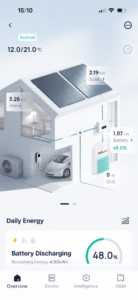
Solar panels save money by reducing the amount of electricity purchased from an energy supplier.
The greatest saving is normally achieved when solar electricity is used inside the property while it is being generated.
Homeowners can increase solar self-consumption by using daylight hours to:
- Run washing machines and dishwashers
- Charge electric vehicles
- Heat water
- Operate home-office equipment
- Run heat pumps
- Charge a battery-storage system
Businesses with substantial daytime electricity use may also achieve strong savings because their premises are operating while the panels are generating.
Actual savings will depend on:
- Annual solar generation
- Household or business electricity consumption
- Daytime energy use
- Import electricity prices
- Export tariff rates
- Battery performance
- Future changes in energy demand
- System maintenance and availability
Savings should be calculated using the customer’s electricity bills and a property-specific generation estimate. They should not be presented as guaranteed.
Get in touch
If you are considering solar panels or battery storage in Swansea, the Big Green Solar team can assess your property, electricity usage and future energy requirements before preparing a tailored quotation. Visit Big Green Solar or call 0333 210 0083.
For insulation, rendering, roofing and other property-improvement services, visit LMG Home Improvements or call 0333 210 0083 to discuss your requirements.